Name: BCF satellite 2023
Draw : 32
Location: Bay Club Fremont
To enroll please contact the promoter: 203-512-8114

Name: BCF satellite 2023
Draw : 32
Location: Bay Club Fremont
To enroll please contact the promoter: 203-512-8114



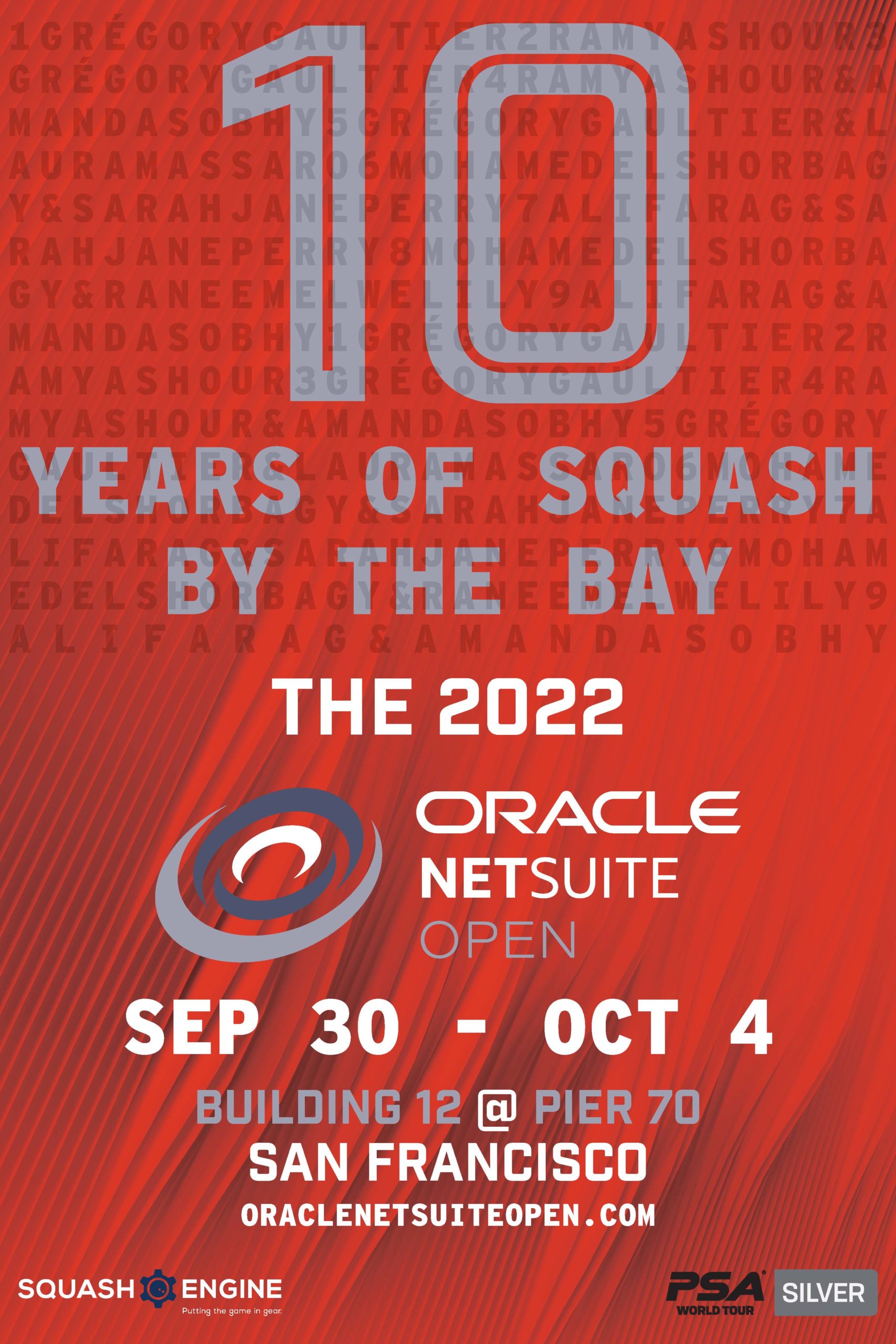
The Oracle NetSuite Open 2022 is coming up on Sept. 30th through Oct. 4th! Buy tickets (starting at $45) at oraclenetsuiteopen.com
Featured stars of the 2022 event include past Champions Amanda Sobhy (USA) and Mohamed Elshorbagy (EGY), with fellow World Top 10 players Joelle King (NZ), Diego Elias (Peru) and Marwan Elshorbagy (EGY) leading their respective fields. The $160,000 PSA World Tour Silver event has attracted 48 players from 18 different countries, all within the top 65 of the world rankings.
Discounts are available for children under 16 for Dunlop Family Day with pro player autographs on Sunday October 2nd at 12pm. Call the Box Office for details at 212 287 5633.

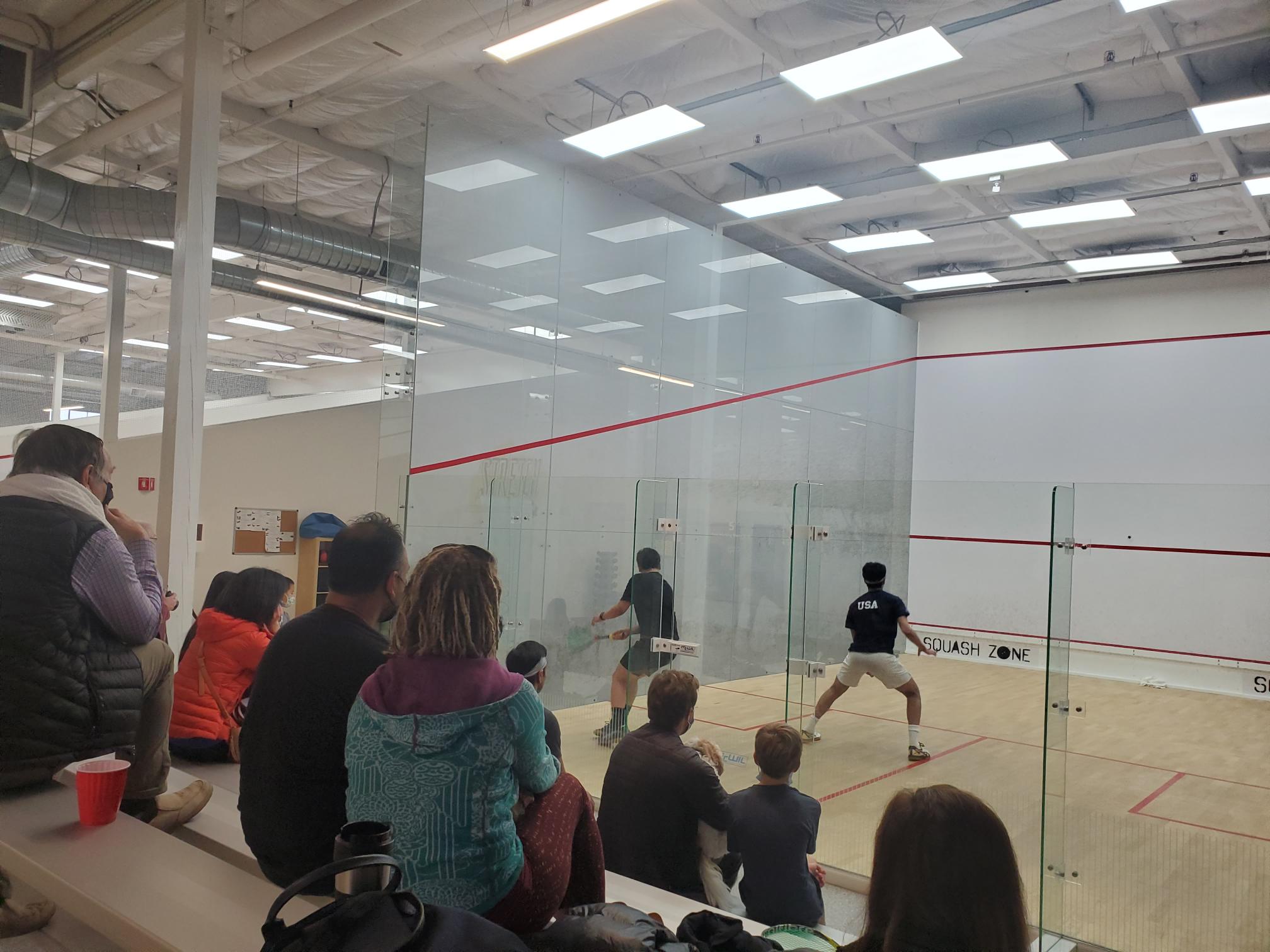
In the first open graded event in the Bay Area since pre-pandemic times, squash players and enthusiasts alike flocked to the courts at Squash Zone in Redwood City to make up for lost time. Starting on Friday and culminating in a very exciting 5 game final in the A grade on Sunday at 11a.m., Squash Zone played host to 5 categories and a chance for the squash community to reconnect with each other. The event, sponsored by ON24 – a local company making a considerable impact on the tech world; marketing products and services based on webcasting and virtual event and environment technology – marked a welcome return to the courts for many players. NorCal squash was on hand to provide support to ensure we were able to get exposure to get the event up and running.
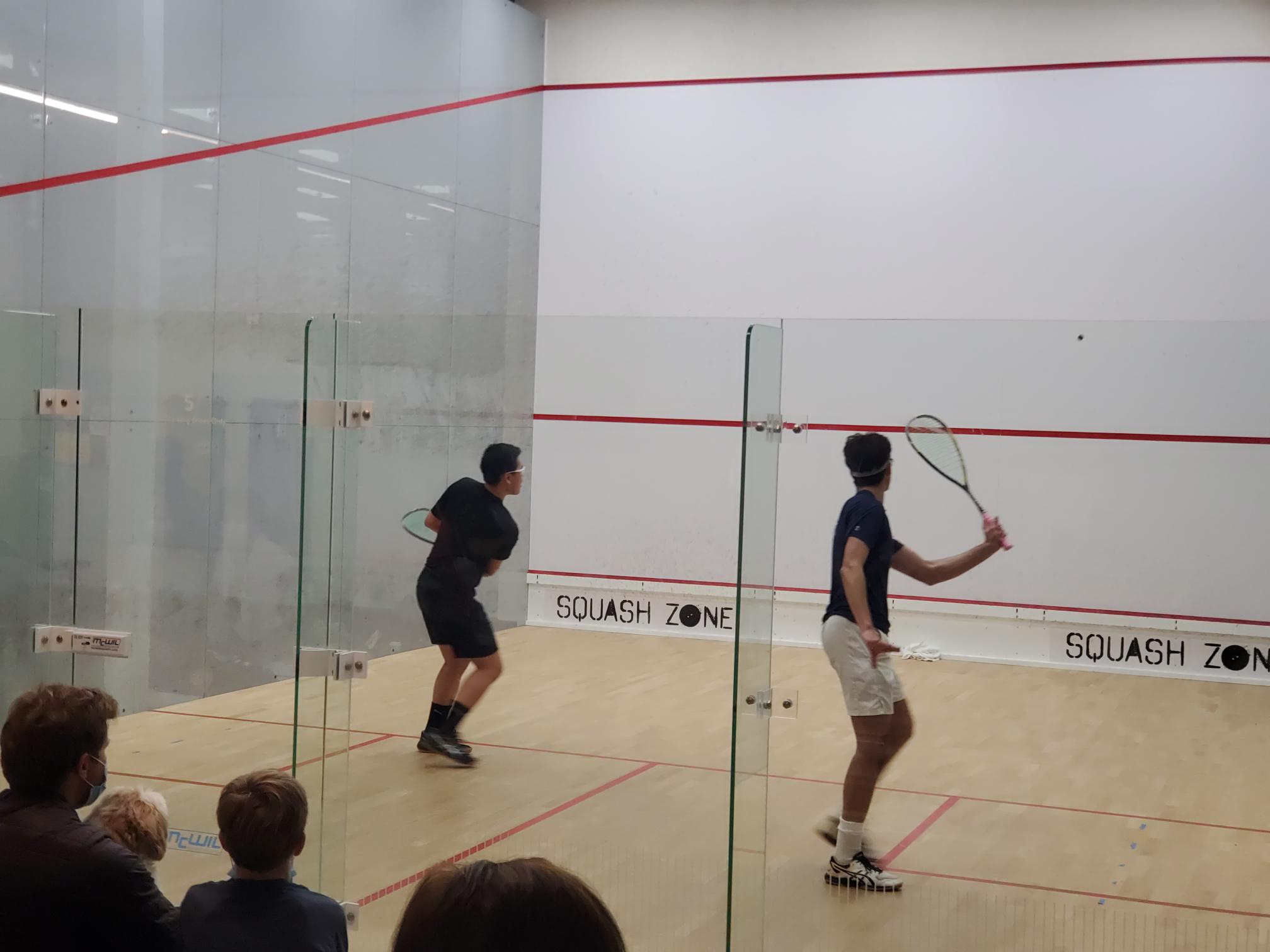
In the A section, Squash Zone’s pro Zephan Huang went into the event with a point to prove. He had lost to local junior star Arav Bhagwati the previous weekend in an invitational event. Seedings went to plan it was to be Zephan’s weekend when, after coming back from two game to love down in the final he capitalized on a short drop in focus from Arav in the 5th to take the match. In the Consolation rounds it was local favorite and stalwart of the Bay area squash community, Richard Elliott who took home the spoils after fending off his former student Will Mohr in the final.
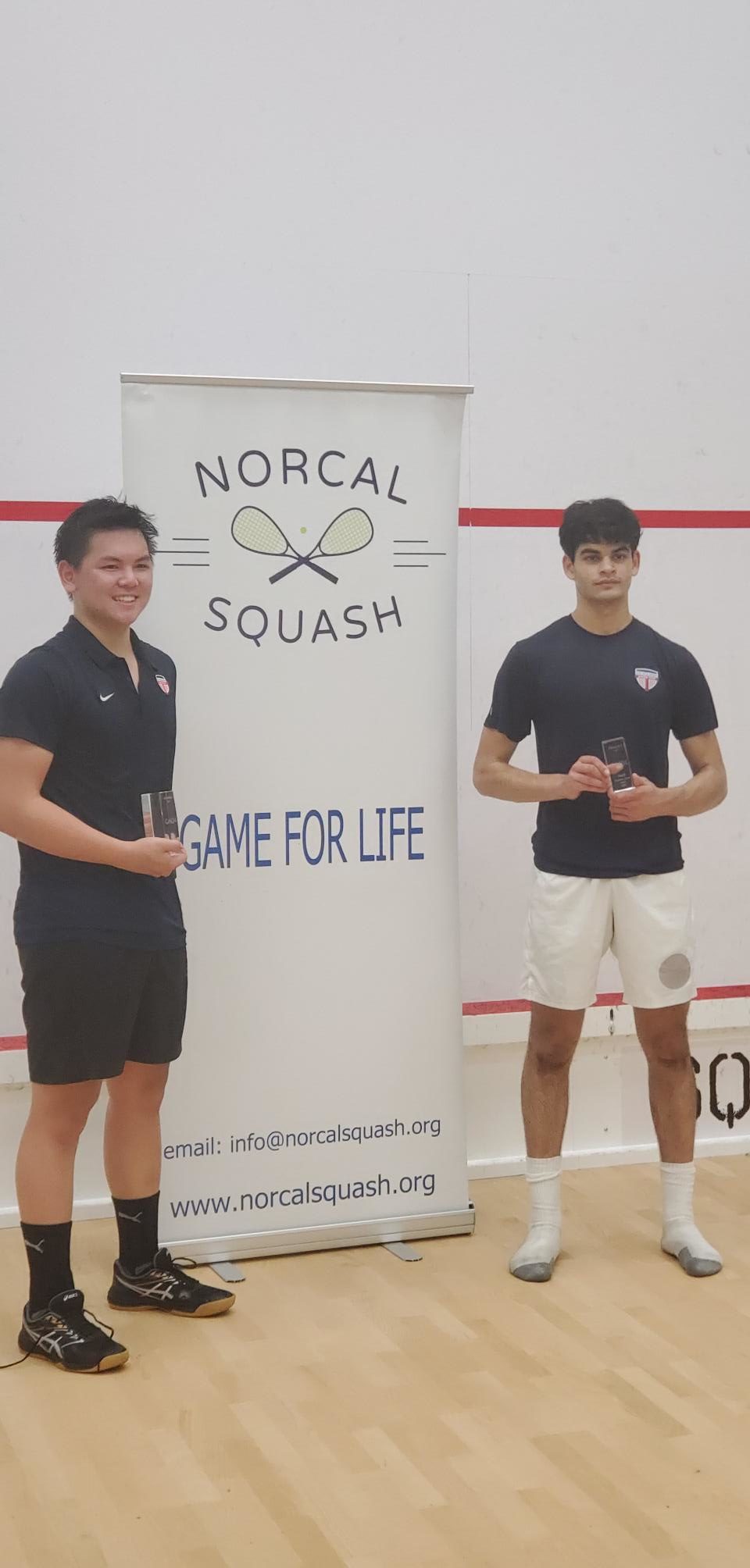
The B section was a round robin format with a variety of players covering both young and experience. The juniors were seasoned players on the national junior circuit and the adults brought the experience and court savviness. Aiden Chan and Yash Moolchandani took to the court for a final that had everything; skills, incredible court coverage and a tie-break in the 5th. Aiden took the match 13-11 in the 5th to lift his first graded event trophy.
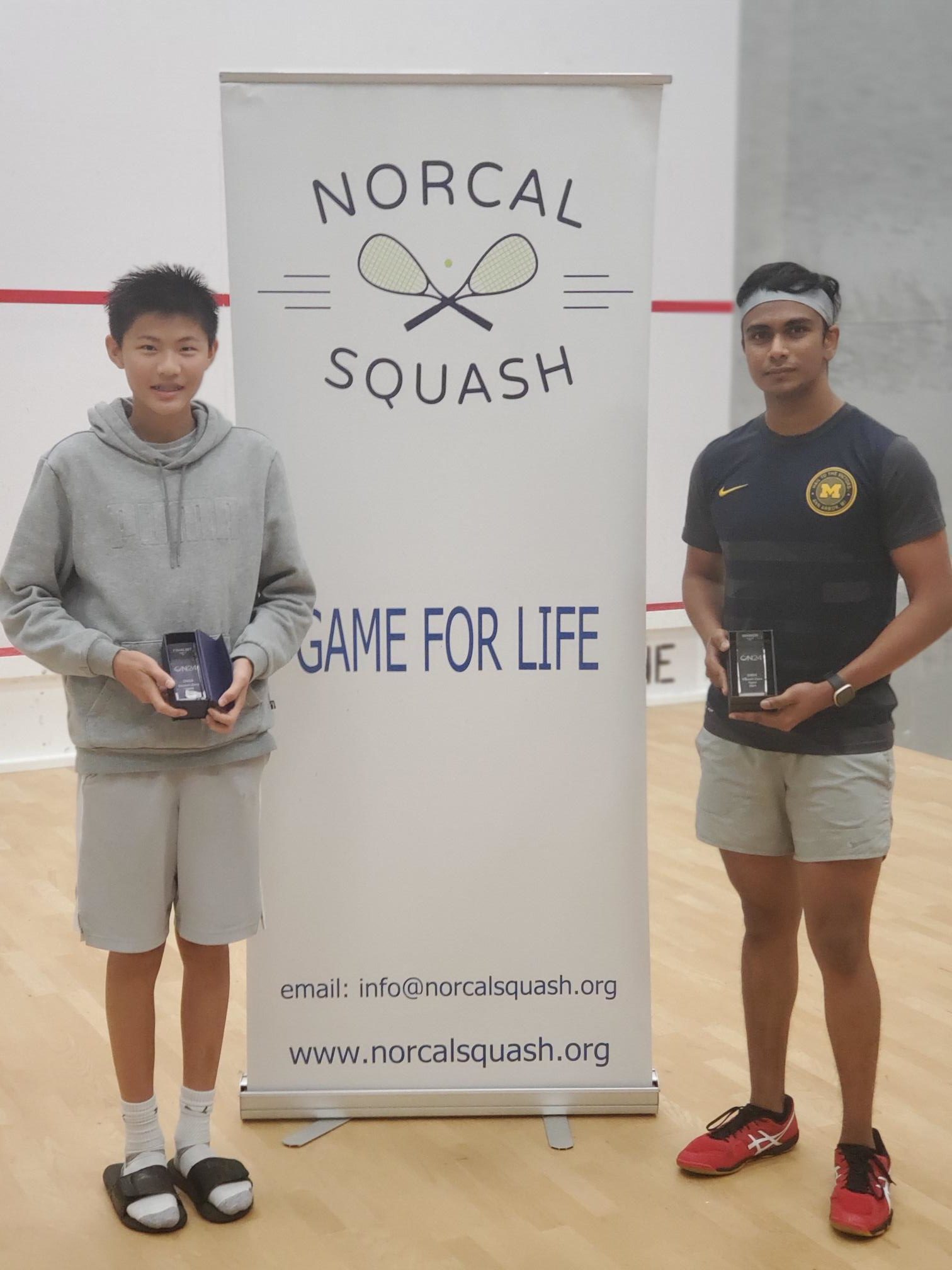
Akik Kothekar of Ann Arbor is a recent import to the Bay Area and has taken quite a foothold in our community playing good squash and making few errors. Alan Fang of Danville was always going to be a threat with impeccable movement and endurance. He had taken out the number 1 seed in the C section, Blake Cutler, in the semis in a 5 setter but wasn’t quite able to get past the dominance of Kothekar in the final, Kothekar winning in 4 games. In the Consolation finals Squash Zone junior Nihal Verghese found himself in a familiar place; he was looking to convert his first Consolation final. It wasn’t to be as Samuel Lao played solid squash over the course of three games.
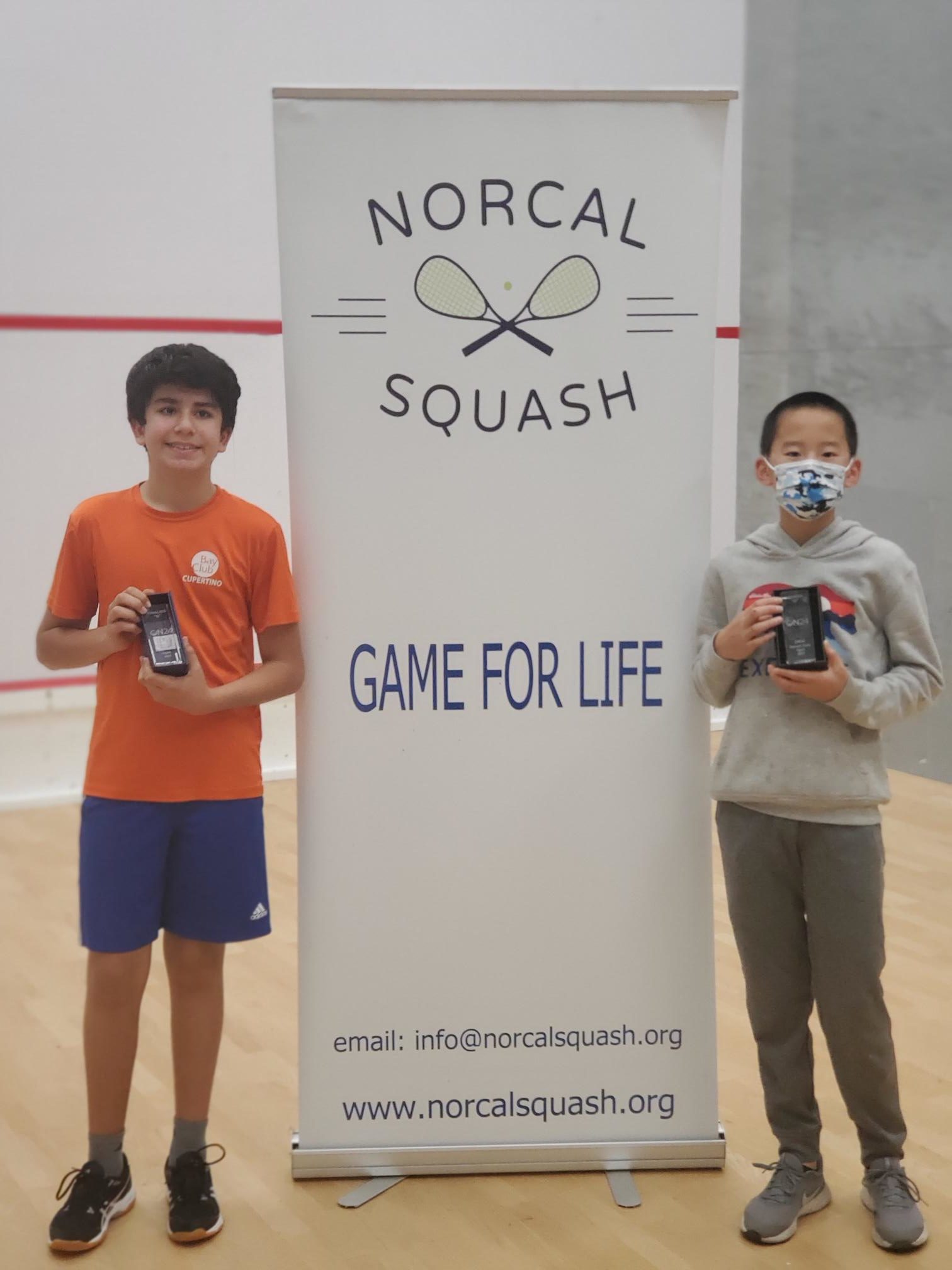
In the D section Squash Zone welcomed the return of several Squash Drive students, the urban squash program based In Oakland. Antonio Jimenez is one such student and as number 2 seed had quite a lot of pressure on his shoulders coming into the event. In the final he was up against Peter Revenaugh, of Squash Zone. Peter had exceeded expectations coming in at number 4 seed and managing to upset players on his way to the final. Antonio took the match 3-1 much to the delight of his supporters. In the Consolation final Leo Barras played his semi-final, won in 5 games and after a short 10-minute break went onto play his final. Two players representing Squash Drive, he was up against Alfredo Aboyotes and it proved a match too far as Alfredo took the match 3-0.
For some players in the E event, it was their first outing in a graded players’ tournament. For others, like number 1 Michael Ignacio it was a matter of getting back on court after a long hiatus. He brushed off any nerves to make it to the final where he met Kabir Iyer of Squash Zone who came into the event unseeded. After a great battle which included 2 tie-break games and coming back from a 2-1 deficit, Kabir took home the trophy, edging it out 13-11 in the 5th. The Consolation final was contested by Jonathon Piedra and Alondra Ignacio (both of Squash Drive), Jonathon dug deep and after losing the first two games came back to win in 5 games.
Many thanks to all our participants, our sponsor ON24, Norcal Squash and all of those who came to watch on the weekend. We were delighted to open our doors once more to the squash players and fans alike and hope to have a repeat in 2022!

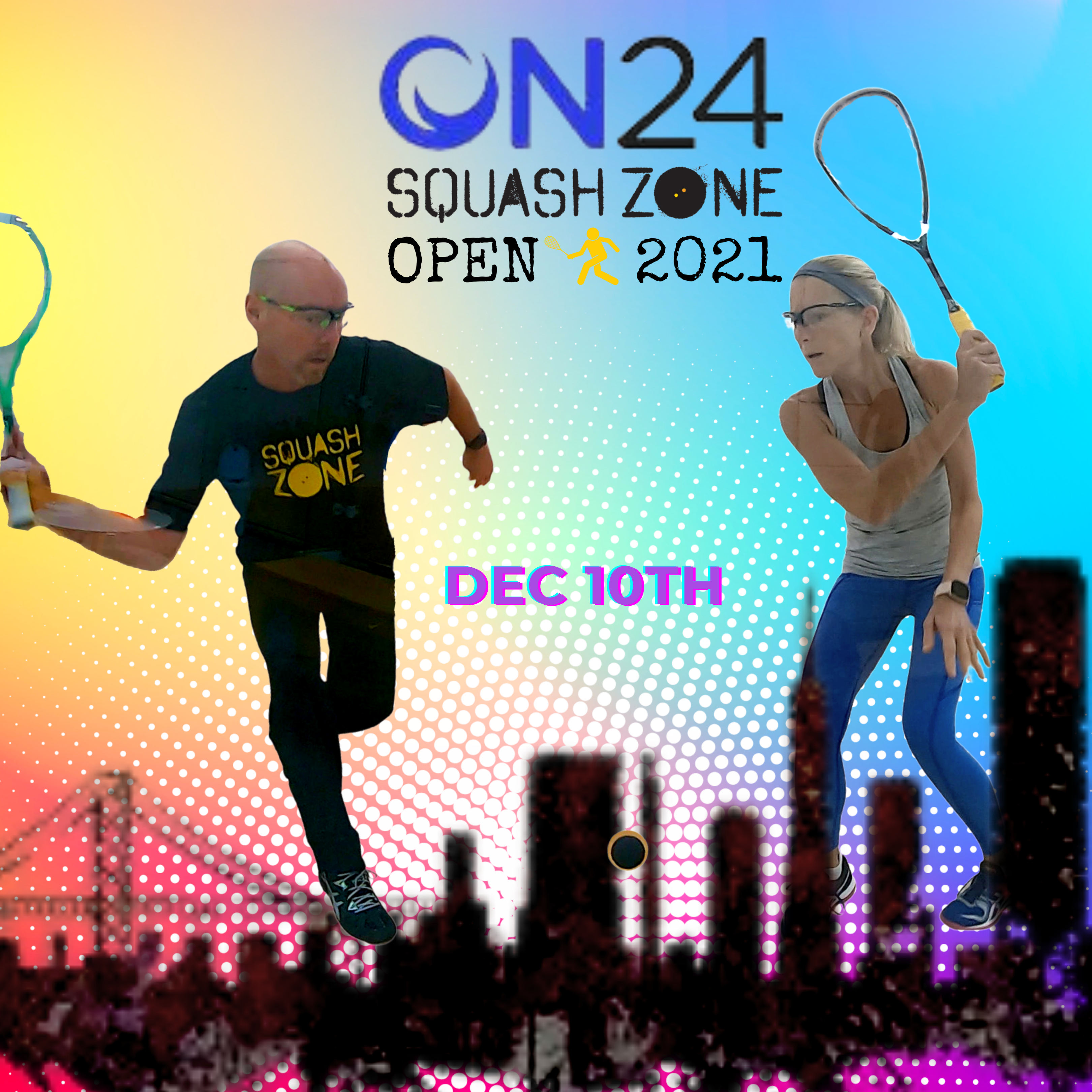
Sign up now for the ON24 Squash Zone Open 2021!
More info: eight-player and sixteen-player draws; players to referee follow on match; three matches guaranteed. Players should be available to play Friday Dec. 10th from 4pm through Sunday Dec. 12th at 1pm; the event may finish Saturday depending on draws.

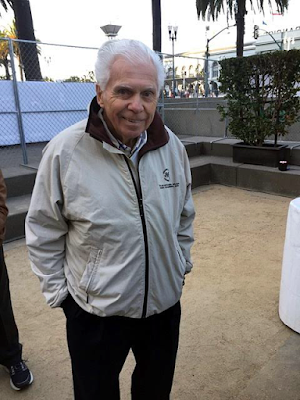
December 14 marks the birthday as one of NorCal’s unsung squash greats Dick Crawford. John Lau has been busily collecting tributes and notes to Dick and has graciously allowed us to publish them here. Keep reading, or find the original here.
All
The most meaningful and fulfilling hallmark of appreciating one’s life is achieving a powerful sense of connection with those around us.
What we as people always have to keep in mind is that according to philosopher Martin Buber, the fundamental value in human existence is communion with others. That we find meaning in life through acts of mutual acknowledgment: I’m here, you’re here, and I’m with you.
Dick, you achieved this as few others have done.
The following tributes are a testament to that.
We are all so very appreciative and grateful.
John
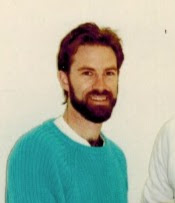
All
When I look back at my college years, one of the things I am most grateful for is discovering the squash courts in Harmon gym. The person I have to thank for introducing me to squash was my high school friend Kris Surano. He had been after me for a while to give squash a try and finally convinced me to attend a tournament with him at The Olympic Club. I was instantly intrigued. I couldn’t wait to explore this curious sport. Kris got me on the Harmon Courts and I was hooked. It was also the first time I met Dick Crawford.
My racquet skills were fairly crude, but I loved to run around and try to retrieve every ball Kris would hit. Dick encouraged me to sign up for squash classes. When the fall quarter rolled around and it was time to schedule classes Beginning Squash M-W-F 9:00 was first on my list. Dick was not as encouraging when I also tried to sign up for Intermediate and Advanced Squash later that first day, but I finally convinced him to let me attend all three classes. Three hours of squash, three times a week. Dick was always prodding, challenging, and encouraging me to improve.
I began playing competitive squash my senior year and my big regret was that I wasn’t able to make the Cal team that year. I would have loved to play on the team under Dick’s leadership. He was a great ambassador and promoter of the game (as was Kris) and a major reason I loved and played squash competitively for over 25 years.
All of us who learned to play squash under the watchful eye of Dick Crawford owe him a tremendous debt of gratitude. Thanks for everything Dick.
Ed Dold Class of ’77
Dick
Yeah, OK. I’m reading all the fine words, but actually you’re the cause of all the trouble.
You’re to blame for getting me addicted to a game that for 42 years has been a terribly gratifying source of social connection and exercise. I’m under its thumb even when traveling, and shudder to think of my cold-calls to satisfy my habit in London, Reykjavik, Edinburgh, Berlin, Dublin, and Calcutta.
I was a tennis player who had only played squash twice before coming to Cal. I’d heard stories of your legend from my brother Fritz and was warned that you enticed students into squash from inferior sports. Still, the stories were intriguing. It was all part of your plot, of course, where current addicts would recruit their younger siblings, which I found when I arrived: Steve Lau, Peter Hornick, Irene Naniche, Mark Jones.
You were my coach for only 2 years before you retired (for the first time), but no grownup I met at Cal, before or since, ever did as much as you to welcome students and foster real community: club, league, team, tournaments. You humanized what is usually a chilly experience for the Cal undergrad. That was enough by itself to hook me on squash for a lifetime, even if I couldn’t make the big “bonding-time” team trips back East in the years that I qualified (going for a triple major while fully supporting myself).
Your tireless efforts and enthusiasm created a vibrant, inclusive, and infectious squash culture. Once bitten, there’s no cure, and if you get a virulent case, as Ashley did, the thing regenerates. In the short time you were my coach I didn’t realize how much you did until I saw Ashley step into the breach. The thing was beyond my control, and I felt compelled to put my shoulder to the wheel and help out, and now I’ve been organizing and recruiting for Cal’s league team for something like 17 years. That’s your fault. Even if I thoroughly enjoyed it and have expanded to work with Friends of Cal Squash and Squash Drive.
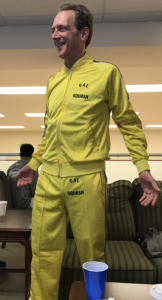
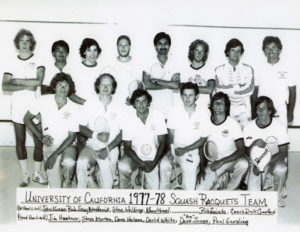
Nonetheless, you can see from the grim expressions and forced smiles in the 1978-79 team picture that we’ll always carry deep psychological scars from your making us wear those shocking neon yellow uniforms. Yeah, we pretended to be all excited about them, but the truth can’t be ignored when you see one 40 years later after color photography was invented.
Happy Birthday, Dick! Thank you for all you’ve done and continue to do to keep the connections alive. You’re a model for us all.
John Kunze
Class of ’82
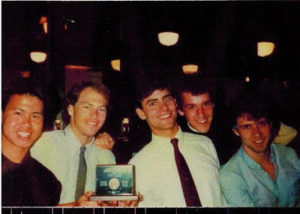
Happy Birthday, Coach!
You had a formative influence on me and so many students at Cal and we’re all eternally grateful. The squash program, team and our trips back East were some of my favorite memories at Cal including winning our two trophies at the intercollegiate tournament. Congrats on helping create such an influential program, promoting squash and positively impacting so many.
Go Bears!
Paul Kohler Class of ’91
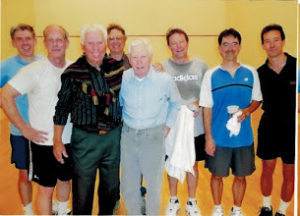
Dick,
Happy Birthday!
Little did any of us know what we were getting into the first time we climbed down those ladders into the squash courts at Harmon Gym. Thanks to you, we all learned a great sport, great sportsmanship, and made lifelong friendships.
Now – about that “A-” in Phys Ed. Was it because I chowed a pizza at Kips an hour before one of our big matches?
Thank you from the entire Nor Cal squash community.
Mark Jones
Class of ’81
All
Dick Crawford and my family go back well before I ever picked up a squash racket. The Huebner’s were a tennis family in Northern California with my father Larry being one of the top players in the NC tennis tournaments. (His father was an Intercollegiate Doubles Champ – JL) So Dick and my dad were very friendly competitors and our family would often see Coach at tournaments. I was a junior NC tennis player but gave it up for track and attended San Jose State out of High School.
I learned the game from two Fresno locals, Leonard DeFendis and Peck Lau who became my mentors at the nearby Fig Garden Club during one of my summers home. (The Joe Ginet was one of the best tournaments of the year which began the squash season. Len’s family hosted the tournament party at his dude ranch just outside of town. – JL)
Coach spotted me at the Joe Ginet Invitational squash tournament and began encouraging me about coming to Cal and joining the squash team. Somehow Coach got me into Cal as a transfer (he must have really pulled some strings……. be careful, some people are doing jail time!) and that is what really got me into the game. (Jim made it to the semi-final round of the Intercollegiates one year. – JL)
We had so much fun on and off the court at Cal. I had Paul Gessling as my team mate….he was so tough. I think we each pushed each other to be better. Coach taught us all kinds of drills and exercises and really had us prepared to go back east and play those ‘preppies’ back at Princeton, Yale, and other Ivy League teams.
Squash opened up opportunities to me that I would not have had if not for Dick Crawford’s interest in me. I will always be grateful and thankful. I love you coach.
Jim Huebner Class of ’80
Happy Birthday, Dick!
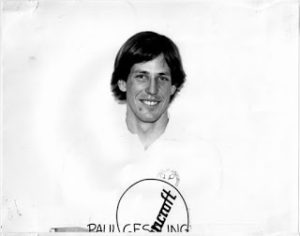
I can’t imagine what my life would be like without squash. It seems like ever since I met you everything in my life has some connection to squash. There have been more ups than downs.. Our Cal squash group of players was crazy about squash.. I remember driving to Vancouver for the weekend for a tournament 18 hours each way. Another time we camped on the soccer field at Cate school. The best were the parties in Fresno. No matter how much I play pickle ball it will never have the affect on my life that you have had.
Thank you so much!
Paul J. Gessling Class of ‘73-‘79
Happy Birthday Dick!
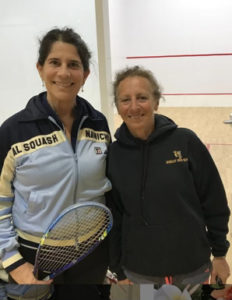
I first met you when I was urged on by my brother Andre, and enrolled in your beginning squash class. I quickly made a new group of friends that were a fun bunch to be around.
I remember one quarter you had a list of students on the wait list for your class and you gave an academy award worthy speech about how you were happy that so many students wanted to play; but you only had room for “x” amount. With the computer printout cards in your hands, you ‘shuffled the deck’ to pick the lucky students from the wait list. Miraculously, my name came up!! (Another year, I noticed another smooth move when you pulled a card from the BOTTOM of the deck)
I wan’t sure what to make of your trademark wink; was it just aimed at the women? No, you were always very professional with all your students, I quickly noticed you winked at the guys just as much if not more than at the rest 😉
Thanks for bringing a smile to so many of us. The 5 squash courts at Harmon Gym were always a spot we could come to and find friends or meet someone new to play with – some marriage worthy. (At the time of this post, Irene and her husband Paul have been married for 35 years – John) We all spent so many happy hours on those courts. I was lucky enough to be part of the first women’s squash team at Cal competing in the Howe Cup my junior and senior years (I remember getting schooled in a practice round by Karen Kelso at Penn) & the teams inception year trips (frosh & soph) to WA state (Shabana Khan cleaned my clock on that one… she was probably 11 yrs old). The “experience” just made me want to get better…
Memorable squash trips all around thanks to my enrolling in that first class. Nothing beats the story (who was there?) of you taking one of your teams back east; late to the airport and you dropped the guys off and said you’ll return the rental. Minutes later, you re-appeared and bragged that you had handed the valet $20 to return the van. You made the flight and a couple days later, to the dismay of the team, the van was reported stolen …..
Years later, 25 years post college, I went to see a doctor of PT because my knees were hurting. I told him I played years of squash. He said, ” I know of only one fellow who played squash – he was a tennis player who organized a fabulous trip where we went to Wimbledon and played in various spots around Europe. I can’t remember his name now.” I reply, “Doctor Downes, was that organizer perhaps Dick Crawford?” “Oh yes he says, of course, Dick! Great guy!” I said, ” I always wondered who went on those trips…” Agreed with you Doctor, Great guy!
Thanks for the memories, and those yet to come. We owe you a lot of happiness in our lives due to your love of the game of squash and that you passed that love along to so many. The reunions we have had with you at Cal basketball games or just during periodic get-togethers have always been something we looked forward to.
Many happy returns. GO BEARS! (Irene has attended 42 BIG GAMES! – John)
Irene Naniche Gessling Class of ‘82
P.S. Thanks for the A+.. the only one I ever got at CAL was squash class…half a unit….but still an A+
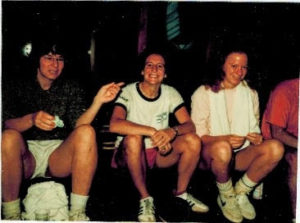
Dick
Not sure exactly what to say other than thanks so much for your contribution to all the squash players whose life you touched for many, many years.
I remember taking your class (because a friend wanted to learn to play and George Pimentel (George was a renown chemist at Cal – John) who was a neighbor of my parents, always talked about squash). I remember thinking that squash was just a silly game and nothing like tennis, which I loved to play.
But after the first few classes I got hooked. I also remember you telling me that squash was a good game to play if you wanted to meet and marry a well-mannered and rich man. Well, I married a squash player – so one out two traits came to being. So I guess, you are partially responsible for that.
You truly inspired many people to play and compete in tournaments and because of that, the program at Cal grew and grew. I met many people through my squash matches that I am still friends with today.
A group of us squash ladies get together a few times a year for dinner in SF. And we always enjoy talking about our old days playing squash at Cal, the JCC, and at Alex’s club (the Squash Club of San Francisco – south of Market – John)
Thanks for all your years of teaching and inspiring people to learn and love the game.
Evy Kavaler
Class of ’77
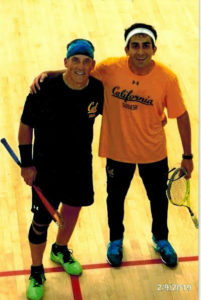
All
My life in squash began in my third year at Cal, after a long junior tennis career. My freshman year roommate was on the tennis team (I wasn’t quite that caliber) but, after transferring to Cornell, he came back as a squash player…introduced by Pete Briggs. I had tried to enroll in an advanced tennis class for my fall quarter in that third year but was rejected, presumably because I hadn’t taken a class before. (Briggs authored a primer on Doubles Squash that is a MUST read. – John)
My former roommate suggested we hit a squash ball, so we ventured to the courts beneath Harmon Gym, pushed open the door, climbed down the ladder, and he proceeded to introduce me to the game. After a couple hours, he offered me a racquet if I would keep playing. Turned out there was a beginning squash class available, so why not?!
I spent an hour over each of the next three days just trying to figure out what the ball was doing by slapping the ball around; my friend suggested I do my best to not let the ball hit the floor since volleying wasn’t really a problem. On that third day, there was a tennis clothing-bedecked man standing there against the railing just watching me flail away at the ball. After 20 minutes, he stopped me and asked how long I’d been playing squash. I simply said, “about three hours.” His response? “You should turn out for the team!” He then proceeded to tell me about the advanced squash classes and additional practices. That man was Dick Crawford.
To say that I quickly gave up tennis would be an understatement. In fact, I can count on one hand the number of times I’ve played tennis in the last 33 years. But since having a squash racquet put in my hands, I have immersed myself in the sport, living and breathing it like a drug.
Before that introduction, I didn’t really feel much of a connection to Cal, other than classes and desperately hoping the football team would actually win more often than they lost. But Dick was so enthusiastic about squash and taking in anybody who wanted to give the game a try, I quickly felt part of something. Drills every day; playing matches; and learning to find a little bit of self-control when I failed (something that, I’m proud to say, did finally happen as the years went by) were all things Dick encouraged.
Most of my best memories at Cal were all about squash, including the trip to the Collegiate Nationals in my last year—despite Dick suggesting that we park our rented van outside the rental agency lot while we stopped by to pick up a second van. Let’s just say that after signing paperwork for the additional wheels, the first van was gone…towed away because of being illegally parked. Yikes!
Squash has been more than a game for me. It became my career when I introduced Squash Magazine to the sport. While I may not be the best at staying in touch with former teammates, coaches, and friends made in the game at Cal, those memories are always there, and every time I do connect, the years fade away. Dick Crawford is a huge reason for that for me, and I suspect he’d have introduced me to the game at some point even if he hadn’t stopped me that first week. Had I been accepted into that advanced tennis class, Dick would probably have suggested I try squash since he would have been the instructor in that tennis class. Small world.
Happy Birthday Dick! Cheers!!
Jay Prince Class of ‘87
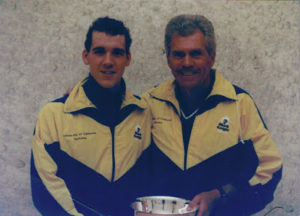
All
Like most people who played squash at Cal while Dick Crawford was the coach, the thing I will take away is the warmth, energy, story-telling, and camaraderie that Dick brought to the program. While his pre-practice talks seemed interminable at times, they showed just how much time and energy he put in each week to making the program a success. He made sure we all played in all the local tournaments as well as Nationals. And it was those trips that really bonded us as a team, and led to so many life long friendships. He helped us fundraise and run tournaments. In short, he was the reason that Cal Squash will be the enduring memory from my time at Cal. To say that the squash program left an impression on me would be a huge understatement.
When Dick retired in 1993, the vacuum that he left behind was so great that I felt compelled to step in and take over as squash coach. That’s when I truly realized Dick’s amazing contribution to squash at Cal.
As a member of the Varsity team, guiding the squash program at Cal was a bigger job than I had ever realized. But thankfully all the years I spent under his tutelage left me in a good position to keep up many of the traditions, and inspired me to even start a few new ones.
I’m thankful to still be good friends with Dick after all these years, and wish him a Happy Birthday this year.
Ashley Kayler Class of ’92
Dear Dick,
Greetings from Japan!
Happy Birthday, and I hope you have forgiven me for the time I raised my racquet at you when you came down the stairs into the court while I was playing an IMPORTANT (not!) practice match during class hours.
Squash at Berkeley gave me some purpose at a time when I had no idea what I was doing. It wouldn’t have been possible without you.
Best wishes,
Rob Kritzer Class of ’74
Happy Birthday, Coach,
I hope you are having a wonderful and safe day. I like to think of myself as your last Cal Squash recruit (tennis to Squash, Fall of 1989) when you saw me curiously walking around the old courts and you convinced me to take your class. I loved it, thanks again.
And later you introduced me to the team and all the great things that brought – competition, travel, decades-long friendships and reunions.
Thanks for everything, Coach. Take care and I hope we can meet up again soon.
Dave Williams Class of ’94
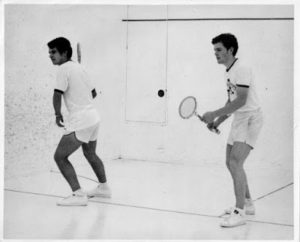
Dear Dick,
I have been reading with pleasure the tributes posted to you thus far. There is clearly a common thread throughout the tributes, namely that you have exposed the game to a great many players and those players are eternally grateful to you.
I add myself to that list. You exposed me to the game and I loved playing it for many years.
I’ve had many coaches/teachers over the years. I don’t keep in touch with any of them. And, they have no idea of how I’ve done or kept in touch with me.
Except you.
You have kept in touch with me for the past 40+ years since graduation. That’s much more than a coach or teacher. That’s a lifelong friend.
So, thank you for “suggesting” that I take up squash. Thanks for teaching me how to play. Thanks for exposing me and my Cal teammates to National Squash. And, most of all, thanks for being a loyal friend since graduation.
I wish you a very happy birthday. I’d say let’s stay in touch, but that’s a given.
Sincerely,
Andre Naniche Class of ’77
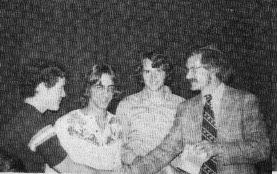
All
I took Dick’s sailing class while at Cal around 1973 in hopes of meeting co-eds.
I then afterwards moved on to his squash class. Sadly, I never met the co-eds, but I learned squash and never looked back until a stroke in 2014 at age 62 really slowed me down.
Happy Birthday, Dick!
Fritz Kunze Class of ’76
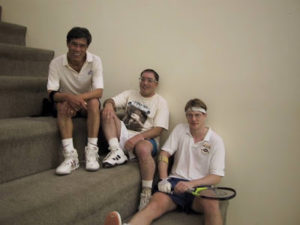
All:
In the spring quarter of 1972, I enrolled in a PE class for beginning squash. The class was taught, of course, by Dick Crawford, and I had no inkling of how it would have such a positive impact on my life.
I had played some tennis in my younger days; so I had some basis for picking up squash. But Dick taught me how to play the game. He had the right touch. He taught the basics of the strokes — get your racquet head high, hit down through the ball, and put backspin on the shot. He taught court positioning — how to get into the T, how to retain it, how to clear. He always emphasized that squash was a gentleman’s game and to avoid hitting an opponent with the ball or your racquet. All of this is obvious to anyone who played squash, but in today’s world, people are not trained in the basics of anything. We learned how to play the right way. We learned how to have fun.
I got to be a decent player, and some of my friends got to be outstanding players — professionals and national champions. None of us would not have gotten anywhere without Dick’s tutelage. He enrolled us in the Olympic Club’s “C-D” tournament, our first exposure to competition. My first opponent in the “C-D”, was a Novice, not even a D, was Robert Mueller. Yes, that Robert Mueller, of the Mueller Report and former FBI director. He mopped the floor with me and probably didn’t even break a sweat. (He probably, even back then, didn’t even crack a smile. – JL) He was more interested in making dinner plans with a friend after the match. This is one of many great memories I have of the game.
I played virtually every day for a lot of years, pretty much until I was 50 and moved from the Bay Area. I met great people, some still my friends. I had nothing but positive experiences from squash. All of this because Dick took the time, and more importantly, the caring, to teach us the game the right way and direct us on how to get the most out of it. I will be forever grateful.
Happy Birthday, Dick!
Mark Rosenstein Class of ’73
Coach, Happy Birthday!
I, similar to many others, have to thank you for introducing me to the great game of squash. I was initially a racquetball player.
When I got to Cal the Athletic Department had torn down the old racquetball courts and were in the process of building the RSF. I was looking for a different indoor racquet sport and my friend Duc Phan (who picked up squash at prep school) recommended I tried squash. I then took the various squash classes and got fully indoctrinated into the squash culture at Cal (tournaments, squash team, practice, etc).
Squash was a wonderful avenue to make a huge school like Cal, small. It was my social and athletic outlet for college. It is truly a game for a lifetime. I continue to play (more doubles these days which makes all that old hardball practice worthwhile) and travel to play squash. I am constantly amazed at the squash community around the country. I never fail to find a game and use squash as a way to meet new people throughout our country.
Dick have a great birthday and thank you again for everything you did for Cal squash.
David Lewin Class of 1987
All
I played on the UC Berkeley squash team from April 1976 through December 1978 and enjoyed the experience very much. I had a pretty intensive academic program and squash provided a great way to balance that, with good comradeship and many great games and tournaments.
Dick was always a steady an good presence, guiding us all to continue improving through teamwork, practice, and unwavering dedication. Squash has been a lifelong passion for me ever since I picked it up early in Lahore, Pakistan, and played it at Government College, Lahore, before coming to UC Berkeley.
I play it still at Stanford and now at Squash Zone in Redwood City. It’s been a true lifesaver.
It was inspiring to represent UC Berkeley at different tournaments and the team placed well nationally in those days.
Regards, Aurangzeb Khan
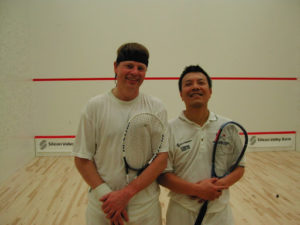
All
My coach at Cal, Dick Crawford, was masterful at having us team members play a lot of squash without it becoming a drudgery.
On a weekly basis, all of us team and Club members did the following: the Advanced Competitive class (twice per week). UC Squash Club night. Bay Area League matches (our prime rivals were the Bay Club and Jewish Community Center – Stanford was very weak then and we used to crush them each and every time). Also, if you were on the UC Club squash ladder, you would play challenge matches to move up.(others could also challenge you).
On top of that, there were the UC club and NorCal tournaments, which seemed to occur during the Winter almost on a weekly basis. As part of the UC Club, one was obliged to also teach. Dick organized and promoted all of these effortlessly. Thank you, Dick.
On another memory, Dick also taught all us players his risky and patented backhand reverse corner service return. We all did it (except perhaps for Ted Gross), sometimes at the worst time in a match.
Steve Lau Class of ’78
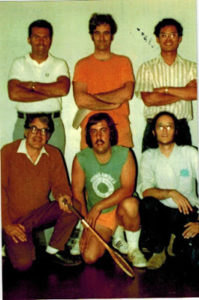
Dick was certainly a key figure in my squash career in the 1970’s. Newly arrived from the East Coast, having played squash (hardball) on the MIT varsity, then managed a very successful team in the Boston squash leagues (A Division, which we won one year), my physics career took me to the West Coast, where I expected to find a squash wasteland. To my delight I found that Cal had squash courts!
Oh those funky courts in the Men’s locker room! You climbed down the ladder to the dimly lit dungeons where the walls were black most of the time from unwashed ball marks. Adding to my surprise I found a vibrant program under Dick’s able leadership. He invited me to join the fun helping scrimage with his “boys,” like John Lau, Paul Gessling, Ted Gross, … (It was great fun later in life taking lessons from John on how to transition to the softball game, knowing that way back when I helped him learn the game!) Then the Tournament scene!
These were wonderful, even enjoyed the ones held at the Olympic Club with their two courts way up in the attic, where hopelessly optimistic scheduling had your matches played 6 hours late, a bit after midnight. Then there was my first A tournament!
I met Alex Eichmann in the second round, the reigning champion all up and down the coast! Well! My uppermost surprise, I WON the first game! He proceeded to slaughter me after that, and later said, “Jose; it took a while for me to figure out your game, you hit so many balls on the wrong foot!” The tournament before that I won the B’s, and after the awards, where I got a plastic suit carrier and Alex a nice silver bowl, we were all sitting in the lounge enjoying a beer: Alex said to me, “At least you got something useful, I just got another peanut bowl.” I asked him if he wanted to trade, he said “YES!” That’s how I got my very best squash trophy!
Happy Birthday Dick, and thanks for all that you have done for Squash on the West Coast!
Jose Alonso
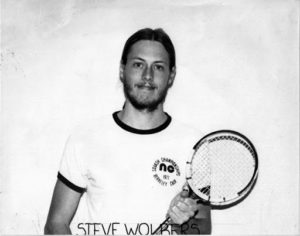
Happy Birthday Dick Crawford!
I played squash at UC Berkeley from 1976 until the end of 1984, during my junior and senior years and all through graduate school. Dick, you had a big effect on my life. You introduced me to the game of squash, something I knew nothing about, and it has stayed with me for over 40 years and counting.
I showed up in Berkeley as a transfer student in 1976, after taking a year off to work and save up some money. I was in Harmon gym wandering around and kind of stumbled on to the squash courts, and you asked me if I wanted to play. You didn’t ask if I had any experience or anything like that, just said to try it out. That is one thing that I will never forget, your desire to draw people in and then teach them what they need to know, no matter their talent or ability. It was a very powerful lesson for me on how to treat people well and to give them a chance.
Thanks to you I took up squash and I stuck with it. I didn’t think I was ever going to get good enough to continue but you never seemed to share that view. I remember in the fall of 1976 I played in a tournament in Harmon gym. You ran it and was there all day, making sure that the matches were moving along, that people found each other to play, and making sure that everyone from the best players to the beginners, got all the matches they could possibly handle. I was somewhere near the bottom at that time and you took time with us beginners, made sure we had matches, and you made us feel important and welcome.
One of the greatest things about squash is the people that you meet when you play, no matter where you go. I fondly remember the people I played in Berkeley and elsewhere in the Bay Area and made some good friends there. I did the same in the Chicago area and now in Oregon. Thanks, Dick, for giving me an introduction to and training me in this great sport.
I want to thank you again for this very special thing that you have given me – it is greatly appreciated and has a big impact on my life!
Steve Wolbers BA ’78, MA ’80, PhD ’84
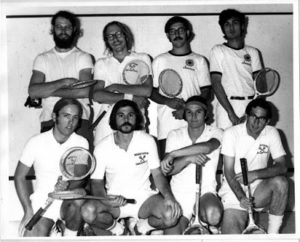
All
I played squash at Cal my junior and senior years and was on the “team” (club team) for one year as a senior. I met Dick first in an advanced tennis class. My friend , who worked at University Hall as a systems analyst, Don Seaman introduced me to squash. I loved it immediately and enrolled in a series of Dick’s squash classes.
Squash is one of my fondest memories from my time at Cal. Besides enjoying the game, I met and befriended many great guys. I very much appreciate the picture of the 1972 team – both Alan Wolan and Stanley are to my left in the team picture and were both good friends.
Congrats to you, John, on your career as a squash professional. Truly amazing.
Best Regards,
Nick Dederer BS 1973, MBA 1976
Happy Birthday, Dick!
It’s interesting to listen to John Lau talk about squash career legacies.
Like many others, I owe a great deal to our coach, Dick Crawford, for my personal squash legacy (such as it is). The times I spent with him, and the other squash players, were the very best I spent at Cal. Education? Yeah, there was that, but it mostly got in the way of playing squash (it’s a miracle that my Cal education led to a related and rewarding 30-year professional scientific career, seeing how I spent nearly every non-class hour down on the squash courts).
Ultimately, because of Dick’s interest and encouragement of me, squash became a passion, an obsession some would say, that led to nearly 30 years of great adventures, all over the US and Canada. Sure, it began in the bowels of Harmon Gym, but it led to meeting a whole bunch of similarly-minded and enthusiastic players, travels, life-long friendships, appreciation for vigorous yet sportsmanlike high-level competition, physical fitness (such as I ever attained), camaraderie, etc.
Although I moved on from Cal, Harmon Gym, and Dick as a coach, I ended up playing in what was probably 400+ tournaments, including many National Championships (US and Canadian), a World Open, dozens of Pacific Coast Championships, and events in almost 20 US states and 3 Canadian provinces, not to mention hundreds of local events, league matches, and club championships. I was even lucky and proud to represent the US in a half-dozen or so Lapham-Grant matches vs. Canada, playing both singles and doubles. I also was able to coach the Cal Team for a couple of years, using much of what Dick had taught me, when he took a sabbatical in 1979-81.
None of these activities would have ever taken place if it wasn’t for Dick and the squash-path he led me down. And I was fortunate to have some success along the way, in no small part due to his early coaching:
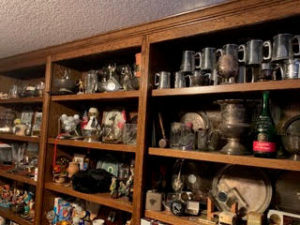
But it all began, like it did for John, almost by accident, off the locker room in Harmon Gym. The year was 1972, my freshman Fall quarter, and a friend and I had wandered into Harmon to check out a basketball and shoot some hoops. We heard “that noise” coming from the climb-down-the-ladder squash courts nearby. Upon investigation, we looked down and said, “Oh yeah, this is wild. We’ve got to take this game up. What’s it called? Do they teach PE courses in it?” Well, we found out it was called squash and we both enrolled in Dick’s beginning squash class that Winter quarter.
I had never been a racquet-sport player. Sure, I’d fooled around with tennis, but nothing serious. I was a golfer, and a pretty good one at that, All-League and MVP at Bishop O’Dowd High School in Oakland (which, by the way, was the high school of quite a few Cal squash alums over the years, including Ed Dold, Mark Walsh, Dan Tachiera, Robert Enea, and Dave Rainero).
I wasn’t a good enough golfer to make the Golf Team at Cal, but I played with those guys all the time and was reasonably competitive with them. But golf gave me something that proved to be quite useful in squash: a big, powerful forehand, immediately. (Oddly enough, most of my squash successes were ultimately obtained on the left/backhand wall in doubles.) To me, hitting the forehand was just like swinging a golf club; the weight transfer was the same, the tucked elbow, the cocked wrist, hitting down with backspin instead of up with tennis topspin. Heck, the ball was even about the same size. Plus, it required active hands and good hand-eye coordination, gifts with which I had been blessed with.
So the first time Dick showed me how to hit a forehand, the ball really travelled. He said, “What’s your name? What year are you?” Dick did have a penchant for identifying underclassmen who might have potential under his tutelage. Seniors starting out? Forget it. Freshman with some promise? He was very interested in developing your skills, most likely so you might be able to help the Cal team in later years.
So at the end of the quarter, after winning the tournament that Dick ran, which included all the players from his bevy of beginning squash classes (maybe a draw of 64 or more?), I was hooked. And, I think, so was he. He asked to me to skip Intermediate Squash and move right into the Advanced-Competitive class. I did so. I also joined the team practices, where I learned a lot about the game by getting my ass kicked day after day (thanks for that, fellas). The rest is history, and a very big part of my life’s journey.
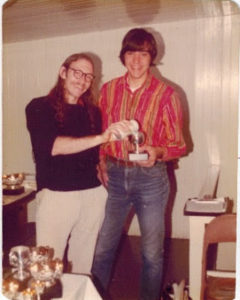
I even became Rookie-of-the-Year for the Cal Squash Club for 1972-73….and I still have the trophy. That’s it, the long-empty bottle of champagne on the bookshelf in the photo above. Never mind that Dick gave it to me when I was only 18-years old….ha!
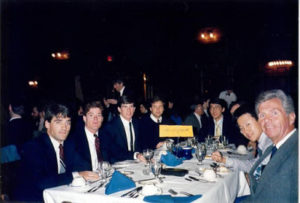
The awards dinner photo is below. (held at the now defunct Spenger’s at the Berkeley Marina. Great shrimp scampi on the menu – John) Check out Dick in his fancy chick-magnet 70’s shirt, John Lau, Dave Rainero, and the back of what I think are Rob Kritzer’s and Scott Chandler’s heads. (Sorry, I don’t remember the name of the guy at the end of the table, nor the woman sitting between Rob and Scott; c’mon it’s been almost 50 years!).
So thanks, Dick, for your long-term interest in me, your coaching, mentoring, friendship, and introduction to a sport that I had never heard of, would never had played, nor enjoyed, and which became a lifelong passion (well, for about 30 years, anyway). Thanks also for always greeting me with a smile and acting genuinely interested in what’s going on in my life, over and above squash.
These days, at age 66, after two knee replacements, open-heart surgery, arthritis, and a variety of other non-squash related ailments and surgeries, I’m often fond of saying “Throwing myself around squash courts for nearly 30 years of tournaments seemed like a good idea at the time. These days, not so much.” But that is a lie. It was 100% worth it, I would do it again, and I owe Dick Crawford an immeasurable amount of gratitude for showing me the way.
Thanks, Dick
Kris Surano Class of ’76
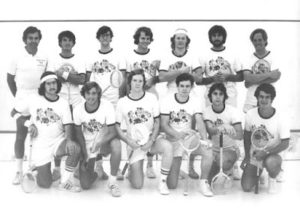
Dear Dick-
Greetings from across the decades. I remember well the time you pulled me out of your Advanced Tennis class and asked me to check out squash. It didn’t take long to find a new and fresh athletic passion, and good friendships along the way. You even met my dad, Norm, which led to him and Wende joining you on European tennis trips that you led. He is still kicking at 96, and even won a 90’s national doubles championship.
I climbed from NorCal Novice to D to C to B. My senior year I was part of the 1976 gang that became the first Cal team to travel in March to the Nationals, and also the first team from west of the Mississippi. I’ve attached an article I dug up from the SF Chronicle*. We finished 14th, just one point shy of tying for tenth. Of course, the trip will probably be better remembered for the rental car episode. The curbside JFK bellcap who promised to turn in the station wagon for us because we were running late decided to keep it for his own use until the rental car company tracked it down several weeks later at his home. You might still be paying off the late fees.
In the years since Cal, we have lived in Seattle, San Diego, Chicago, and now Seattle again in retirement (as well as a winter place near Palm Springs). At each stop, I have, even if subconsciously, employed leadership lessons I observed in you: call out the best in people, paint a motivating picture of what can be accomplished, build camaraderie, and don’t forget to have fun. Those lessons you embodied so well shaped so many of us in the Cal squash world, and made us better prepared to live and serve in our various vocations. Thank you.
I still have my wooden Bancroft Super Winner with the “small head” from those days. And my blue and gold Cal Squash racket head cover. And my Cal Squash team bag. Oh, and a green hard ball. Certainly they are all relics of a bygone era, but the respect and appreciation they evoke for you remains as fresh as ever.
All of God’s best.
Gary Walter Class of ’76
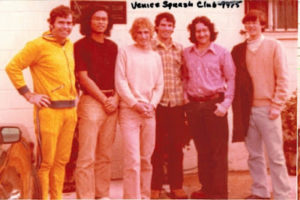
All
With each passing year, I am at a the point in my life when the span of years behind me is getting longer than what remains in front of me. It’s an experience that happens to all of us. And there comes a time when it begs to be acknowleged and dealt with.
Making sense of my life is coming to terms with the decisions and choices that have been I made; how the time has been spent; the mistakes that have been wrought and solutions that were created and learned from; the opportunities that have been built and the opportunities that have been lost.
But most particularly, the relationships and the friends that have been made, and the important people we have come to know and value stand out the most. One person immediately comes to mind is my squash coach at Cal: Dick Crawford.
Our paths crossed while I was attempting to manage the rigors of attending Berkeley while managing a “full” course-load of 15 units per quarter of study. High School really didn’t prepare me for this! I needed to blow off steam the stress had created!
During the winter quarter of 1972, my second quarter as a Freshman, I enrolled in a P.E. basketball course (Quarterly Fees were 212.75) – JL). Basketball was my sport, having been on my junior high and high school team.
During that quarter, and in the middle of getting dressed preparing to play some hoops, I was drawn by a strange and arhythmic thumping sound interspersed with frantic footsteps I heard emanating from one end of the locker room. (At this early period of me attending Cal, the squash courts were IN the men’s locker. The courts location could not allow women to play. How could this be in an institution as progressive as Cal? This situation was later corrected. – JL)
Full of curiosity, I wandered over closer to the racket of sound and I was astonished to see what was laid before my eyes!. What was this?! Attending public schools in San Francisco never prepared me for anything like this!
I found out later that what I saw was Squash – a British game with roots in Court Tennis. Oddly enough, the SOUND resonating from the 5 courts in Harmon Gym seemed “squash-like”. Hence, the name. I HAD to try this!
I signed up to give it a try the following quarter – the Beginner’s Class – my first meeting with Dick.
Little did I realize then, when I first met him, was how much the game would have a profound influence on me.
To make a very long story short; I first played locally, then regionally, then up and down the Pacific Coast, which led to competing at the National Level and with it were the accompanying accolades.
The world that was opened up to me as it turned out, was immense and profound. I made the most of it.
Upon graduation, I became a credentialed teacher before I was unexpectedly offered a position as Teaching Professional at the University Club of San Francisco – a profession that I had for over 30 years. Fulfilling experiences traveling and playing across the US came into being. I met my wife, Evy, and a bountiful of friends through Squash.
Knowing Dick, the game, and the friendship that we shared has meant the world to me.
All thanks to our Coach.
A heartfelt Happy Birthday!
John Lau Class of ’75
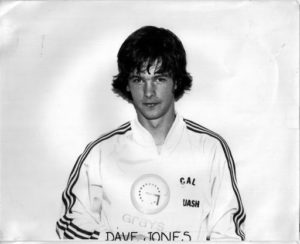
Dick,
Happy Birthday! Your squash program was one of the best parts of Cal!. We all made life long friends and learned a sport that we got to play for years. Thanks for everything. Happy Birthday!
Dave Jones Class of ’80
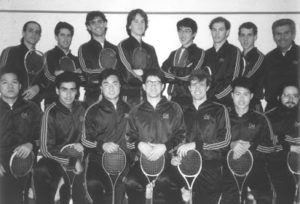
Happy Birthday, Dick
You are one-of-a-kind. Always appreciated the ride home from Berkeley to my parent’s home on Green Street in your yellow Saab. The bonus was the privilege of seeing your bachelor pad — replete with tennis trophies, squash paraphernalia and your most prized bachelor possession — your founding membership card to the original Playboy Club. 😉
Your love for squash and the students who played was a true gift to the University of California. The tradition of sending teams on an East Coast tour was a real treasure trove of memories and stories — dropping off rental cars at the departures curb, HA!
As a prep school squash player, I felt super lucky that Cal had a program (no other West Coast school had one back then). What a joy to have had you as our fearless and colorful leader. You have the skills of an expert teacher and the heart of a loving father. Thank you for all you have given to me and so many other players. The fondness that all who experienced your tutelage speaks volumes about your endearing and enduring legacy. Best to you on this day!
Dion Lim Class of ’90
Dick,
I have no idea if you remember me or not but thank you so much for introducing me to the great sport of squash. I have fond memories of playing the game in 1969, the year I graduated from Cal, as I waited to report for active duty in the US Army.
Upon my return from Viet Nam in 1971 I attended law school and through squash landed my first job as an attorney. Thanks for the memories and have a fantastic birthday!
Steve Enochian Class of ’69
Dick,
You were such a positive influence on so many students at Cal.
I am not certain if you remember me, because I was only involved with the program from 1977-78, but I will always remember you.
You motivated so many to work hard, learn a new sport and be competitive. Lifelong lessons indeed!
Thanks again and Happy Birthday!
Dan Tachiera Class of ’80
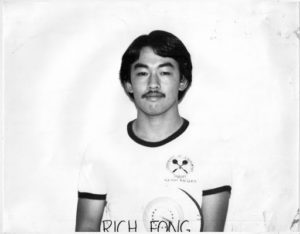
Dear Coach;
Taking up squash in your classes at Cal was one of the smartest things I ever did. I played seriously for over two decades, and made a slew of life-long friends through it. It’s a great game– you can spend an hour trying to run your opponent into the ground, and once you step out of the court, you are best buds and it’s time to sit back over a refreshment and re-hash every point!
I also want to tell you how touched I was when you reached out to me when you heard of Jan’s passing earlier this year.
Live long and prosper!
Rich Fong Class of ’79
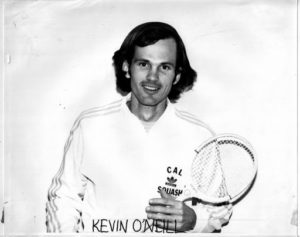
Hi Dick.
Happy birthday from another Cal Squash alum. I started in grad school after playing college tennis in Santa Barbara, so I never played on the team.
It’s amazing what an active community you created at Cal. After all, squash was not very widely played in the West Coast back then. I remember playing with you and getting my clock cleaned when I was in your beginning squash class my first semester at Cal. I played off and on for the next 40 years! My shoulder finally wore out a few years ago.
Being in Denver for the last 35 years, I lost track of most of my old squash buddies. I’ve seen a few at doubles tournaments in S.F. I look forward to seeing names pop up in this birthday album that John has put together.
Hello to Dave Jones and Rich Fong who have already contributed.
Happy birthday and thanks for the memories.
Kevin O’Neill
at Cal from ’76 – ’84
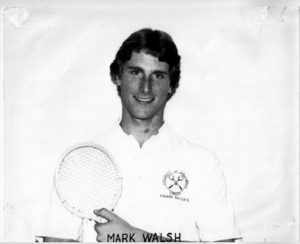
Dick
Sports have always been a big part of my life.
When I entered Cal as a freshman in 1977 I tried out for the varsity tennis team. After competing in the tournament to qualify as a walk-on, but losing in third round, the coach offered to allow me to stay. One of the other players, however, told me that was only because he needed practice dummies on the team. Well, that was not for me.
A fraternity brother and long-time friend since high-school, Dan Tachiera, introduced me to Dick Crawford.
When I told Dick I grew up as a tennis player, he said: “That is great. Tennis players make wonderful squash players.”
From that moment forward I had some of the best days of my life and college career playing for the Cal Squash team. Dick and Cal Squash introduced me to some of the people who would become life-long friends: Dave and Mark Jones, Kris Surano, Paul Gessling, Irene and Andre Naniche, John Lau, and many others.
I spent many weekends hammering the walls with my teammates during very competitive weekend tournaments in which we competed to win but always enjoyed each other’s company afterwards.
And finally as a senior, we went back East to play at the National Intercollegiates and became ranked as the eight-best team in the country that year.
Dick made all that possible. My life at Cal would not have been as fulfilling without Dick and my fellow Cal Squash teammates.
Best wishes Dick on a lengthy, healthy, and joy-filled retirement.
Mark Walsh Class of ’81
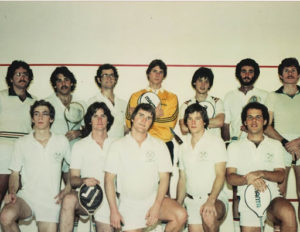
I transferred to Cal in the late fall of 1978 not knowing what to study or what to do. I was however, a competitive racquetball player and knew a little about squash from living in Sweden when I was 16.
I signed up for a squash PE class and that changed my life.
Dick cured me of my racquetball malady and made me part of the squash team. I was rookie of the year for 1979 and was inspired to make the trip to the Intercollegiate tournament. I didn’t make the cut that year, but did manage to compete in the tournament three times later.
As a student I was unfocused and tempted to call it quits many times. I was further distracted as a rafting outfitter and drifting away from my education. Squash however was still my passion and it kept me in school and saw me through graduation. After school I landed my first real job in software thanks to the squash connection.
I still play in Portland’s City League and enjoy friendships with my squash buddies from so long ago.
Thanks so much Dick and Happy Birthday!
Bill Carlson Scholls Oregon
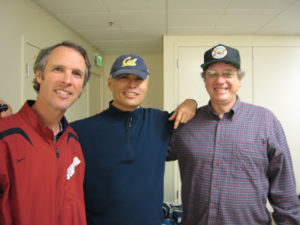
One of my earliest memories of Dick was when he advised us on where to park for a tournament at the Olympic Club.
He suggested the alley by Trader Vic’s — that if you get those wheels halfway up on the curb, you’re good.
“I’ve been doing it that way for 5 years, I’ve never gotten a ticket,” Dick said.
The next year he gave the same speech, again directing us to the parking situation. Dick added, “I’ve been doing it that way for 6 years, I’ve only gotten 4 tickets.”
Happy Birthday ‘Big Guy’
Ted Gross Class of ’77
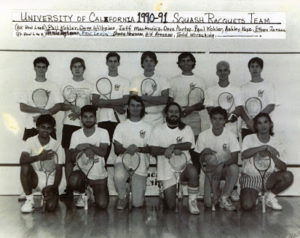
Happy Birthday Coach Crawford!
Squash was one of the things I enjoyed most about going to Cal. And, I owe this all to you. I started in one of your PE classes and played well enough to transition to the team and then managed to get on the nine player roster to play Nationals.
My daughter is a freshman at Cal this year and I was hoping that she would be able to get involved in the women’s team but that will have to wait until after the pandemic. She and I have been hitting a squash ball around on a racquetball court since there are unfortunately no squash courts near me. I hope she is able to get as much enjoyment out of squash at Cal as I did under your coaching.
Thanks for all the great times!
Shawn Newsam Class of ’90
“Love God. Live Like Jesus. Lead People To Christ.”
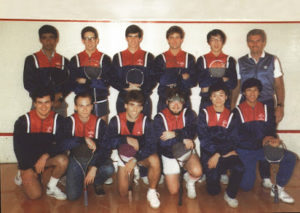
Coach Crawford. Thank you for the impact that you made on my life. You may or may not remember me, but I took a tennis P.E. class from you in the mid 80s. You approached me asking if I had ever played squash. I had no idea what that was, other than it being a garden vegetable. You took the time to bring me down to the squash courts and introduced me to the sport. Having a tennis background I was able to pick up the concepts and really fell in love with the game.
Some of the highlights included traveling to the intercollegiate tournament at UPenn and getting exposed to some of the best squash athletes from the Ivy League. Another special trip was down to Southern California as we participated in a tournament that had one of the Khan family members do a clinic. It was amazing to see the types of drills that he would do. Even more amazing was him taking on an open player maybe 30 years younger than he was, and running him all over the court as he dominated the “T.”
After college I didn’t have the opportunity to continue in the sport as I moved to different parts of the world, serving in Christian ministry. Rest assured, Coach Crawford, I share about my squash experience wherever I go.
Unfortunately I don’t have any pictures from my time on the squash team, but I kept my Cal sweatsuit after all these years…it still fits, though a little snug. Thank you again, Coach, for your many years of serving and mentoring others. Thank you for your vision and seeing something in me during that tennis class. Go Bears!
Anthony Galang Class of ’86
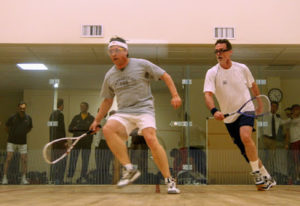
Congrats, Dick!
I remember the first time I was in Dick’s PE class and was automatically entered into 2 classes (D and Novice) in one of the tournaments in the basement courts in the men’s gym. I played and won my first novice match Friday night, and stayed down in the court as my D match first round opponent climbed down the ladder. Then I realized that there was a 32 man draw in each class, so I stayed down in the same court for two more hours to play the second round of each class, never leaving the court for about FOUR HOURS.
I had lousy technique, but I could run for hours, and I could appreciate the three-dimensional nature of the game, so I got to be good enough to get trashed by Alex Eichmann in a handful of tournaments (sigh).
I graduated in 1969, and went to med school at UCSF, so I was playing less squash, but I would always get back for the Ralfe Miller tournament each year to see the guys. Dick gave me a love for the game and for life. He is the only coach (or classmate) who still writes me letters with old pics, and leaves long messages on my answering machine. I might have become a hermit if it were not for people like him.
Thanks Dick! You never fixed my forehand, but you helped me in life!!
Michael Jensen-Akula Class of ’69

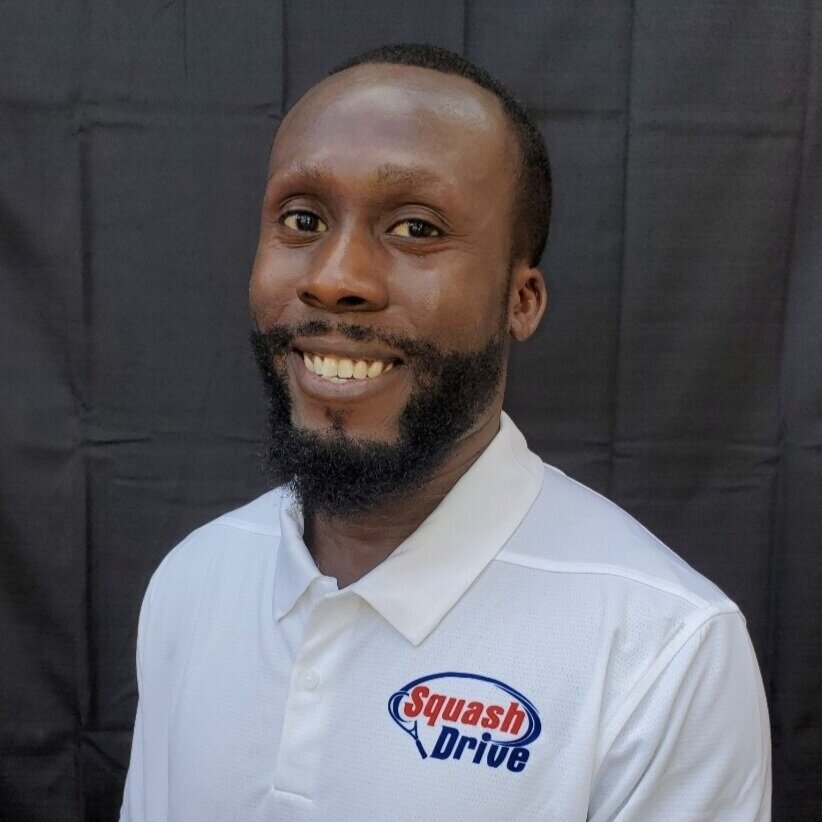
A note from Lauren Lauren Patrizio Xaba, founder and previous Executive Director of SquashDrive (republished SquashDrive’s website):
We are thrilled to announce that we’ve hired Patrick (Pat) Williams as our new Executive Director! He joins SquashDrive as the first graduate of an urban squash program to lead a SEA organization, and brings valuable first-hand knowledge and experience to our program and community. Stephen Seelbach, Board Chair for SquashDrive, says “After a thorough and comprehensive nation-wide search, we are delighted to be bringing Pat on board to help lead us into our next phase of growth.”
Pat comes to us with over twelve years of squash coaching experience, and has worked in youth development and coaching for fifteen years. He was born and raised in Boston, and participated in SquashBusters, a sister SEA program, from 6th through 12th grades. He was the top student in his class, and is a proud first generation college graduate from Bates College. In addition to being senior class president at Bates, he was a co-captain for the squash team, and a recipient of the NESCAC sportsmanship award. While at Bates, he founded Lewiston Squash, a program for Sudanese and Somali refugees.
Following graduation Pat remained in Maine, and worked as elementary school teacher, as well as a YWCA after school coordinator. After returning to Boston in 2012, he volunteered at SquashBusters while coaching at The University Club of Boston, among other clubs. After relocating to LA in 2014, Pat earned his Masters in Coaching & Athletic Administration from Concordia University Irvine and spent four years at the YMCA as the Youth Program Director. He successfully grew multiple youth programs and created new programs such as youth & adult boxing classes and basketball leagues.
“Patrick is the embodiment of urban squash success,” says Greg Zaff, the Founder and CEO of SquashBusters, the first urban squash program in the US. “He is the reason why I started this program and why I remain so committed to it 25 years later. Patrick is a person of incredible character and competence. It is a proud milestone moment for all of our programs that he is the first alumnus of urban squash to become a director. We all want to see him become wonderfully successful.”
Pat is thrilled to be stepping into this new role at SquashDrive. “I have a very strong passion for the sport and youth development.” says Williams. “I am a believer in what urban squash programs do for underserved communities, as I am a true example of the success urban squash programs have on young lives.”
“The entire SEA community congratulates Patrick on his appointment,” says Tim Wyant, Executive Director of SEA, which has 20 member organizations. “He is a person of integrity with infectious passion for youth development, and we look forward to watching him take SquashDrive to new heights — building on the rock solid foundation that SquashDrive’s founder Lauren Xaba has so ably laid. As the first SEA graduate and first African-American to become the leader of an SEA program, he is a role model to the thousands of students across our network and an example of the virtuous cycle that our member programs continually strive for — to pay it forward and give back to one’s community.”
Pat will officially start on November 16th. I’m excited to assist Pat through a period of transition as he steps into this new role. Although I am going to miss seeing many of you regularly due to our move, I look forward to continuing to be very involved with SquashDrive and staying connected to the community.

As our squash facilities begin to re-open NorCal Squash would like feedback about your squash experience. We want to hear how we can better support you, grow the sport locally, and increase awareness and accessibility. Please take this short survey to help us serve you and the greater Northern California squash community.
Please note that club status can change on a daily basis

As you might be aware, the Oakland City Center gym is under new ownership and is intending to tear down the squash courts. They are part of a larger facility that used to be Active Sports, and the courts were heavily used under the guidance of local pro Rami Attalla. In addition to being home to three league teams the club also boasted 2-3 drop-in evenings per week to provide ample opportunity for players of various levels to get good matches in.
It was one of the more affordable clubs in the East Bay, easily accessible by transit, and with a generous guest policy. Active sports was a great place for those looking to get into the sport, and those unwilling or unable to pay for the country club experience of many other East Bay squash facilities.
The local players have put together a petition to try and save the courts, below is their request for anyone who plays at the club. For those who do not, feel free to still email regarding the closure and the effect it will have on the larger squash community.
If you want the squash courts to remain, here is how you can help:
1) Go to https://docs.google.com/spreadsheets/d/135aq5RAiVaztM78uJzMiJ8y_SjxaEBAW8Kgp6qjErS8/edit#gid=0
2) Find your name, fill out the status (member, frequent guest, or other), how many years you have been at the club, and in the statement column what you will do with your membership if the gym no longer offers squash courts
3) If you know any members or non members squash players who should be on this list but are not, please add their names, email them if you can and share the list
4) Email melissa.wathen@theclubatcitycenter.com to express directly your opinion In addition to your direct email to the club, we intend to share this list with the gym before the end of the week to show how many members and guests they would lose by not offering squash anymore. Thank you for your timely support, we need to act fast.
The Squash Players at City Center.

During Adrian Grant’s professional career he was renouned as one of the best movers of the game. Understanding and studying the benefits of efficient movement using this style to attack, defend and create deception. Adrian became obsessed with this side of the game along with the technical elements. To achieve this consistent hours and dedication was dedicated to physically conditioning his body and adapt to different styles. Adrian reached his highest ranking of number nine in the world in 2009. Adrian has won multiple World Team and European Team Championships, one gold medal at the 2010 Commonwealth Games and winner of 18 PSA tournaments. Adrian loves all genres of music, learning about architecture, modern art and playing sports with his four-year-old daughter. Adrian is originally from London, England and currently resides in Manhattan, NY.
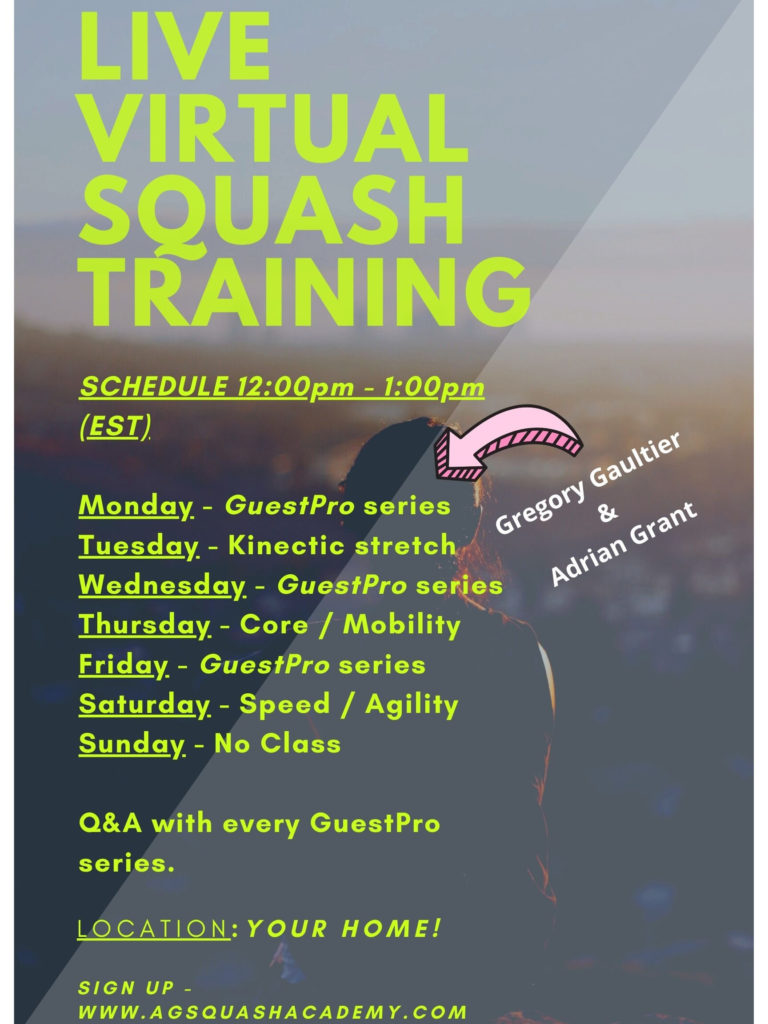
Join Adrian and his friends EVERY MONDAY through to SATURDAY 12:00pm – 1:00pm (EST) via Zoom for training sessions to help move the body, release some stress, and just feel good.
Adrian is aware that not everyone is working from home or receiving paid sick leave, and that cost will be a barrier for some. Like himself and his guest pro’s they are self employed, and like many are severely impacted in supporting their families and stopped from sharing what they love ….. SQUASH! Each class is offered on a donation basis (suggested donation $20). Please do pay what you can afford. There is no shame if that amount is $0, it’s called a Golden Ticket and it’s something we all need from time to time.
This pandemic has effected everyone in some shape or form and I believe we should come together as a community so lets start winning the social effects it has on us, win on social distancing, win on flattening the curve, and win on saving lives of people we may not even know!
To add, each week Adrian will pledge to donate 10% of all donations to https://www.globalgiving.org/projects/coronavirus-relief-fund/